Can You Find All the Hidden Fruits? – I Spy Fruit Game for Kids
Apples, bananas, strawberries and more are hiding! This I Spy fruit game makes learning fruit names exciting for children aged 2–7.
About This Video
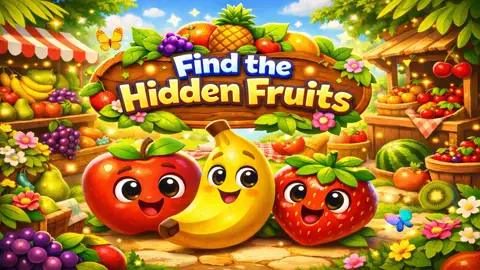
Hidden among a rich illustrated garden scene are fruits of every colour — an apple, a bunch of bananas, a handful of strawberries, a kiwi, a slice of watermelon, clusters of grapes and more. Each fruit is camouflaged to blend perfectly with its surroundings, and the joy of spotting each one is paired with hearing its name clearly spoken — building a rich fruit vocabulary through the most motivating possible format: a visual treasure hunt.
Perfect for curious children aged 2 to 7 learning fruit names and colours. After watching, visit the fruit section of a supermarket or market and challenge your child to find one fruit from the game in real life. Which ones look exactly as in the game? Which look surprisingly different? A brilliant bridge between screen learning and real food exploration. Free to watch with no account needed.
All videos on Little Story World are completely free — no account required, no subscription needed. Browse 120+ free animated stories, songs and science adventures for children aged 2 to 7.
Parents' Questions
Which fruits are hidden in the I Spy fruit game and how many are there?
The hidden fruit game features common and slightly unusual fruits: apple (red and green versions), banana, strawberry, watermelon, grapes (green and purple), kiwi, orange, pineapple, cherry, pear, lemon, mango and raspberry — each blended into the illustrated scene's background colours and patterns. Some fruits hide in plain sight against matching colours: a red apple among red flowers, a banana among yellow brushstrokes. Children develop a systematic searching strategy as the rounds progress and their confidence in naming each fruit builds naturally throughout the game.
How does the fruit search game help children learn fruit names and improve concentration?
Learning fruit names through a seek-and-find game is significantly more effective than flashcards because the child is actively motivated to find each fruit — creating a moment of genuine discovery when each name is heard alongside the found image. Research on early vocabulary acquisition shows that words learned in high-engagement, self-motivated contexts are retained far more reliably than words presented passively. After watching, arrange five or six real fruits on a table and ask your child to name each one — children consistently name more than parents expect after just one or two viewings.
What age is the Find Hidden Fruits I Spy game designed for?
Designed for children aged 2 to 7. Two to three year olds find the most prominently placed fruits — the big watermelon, the bunch of bananas — and love the moment of naming them. Children aged 4 to 7 tackle the more carefully camouflaged fruits with increasingly systematic searching strategies. Widely used in nursery classrooms for fruit topic weeks and healthy eating discussions — teachers report that children who have played the game arrive at a real fruit tasting session already knowing the names of every fruit on offer, which makes the tasting dramatically more enthusiastic and adventurous.