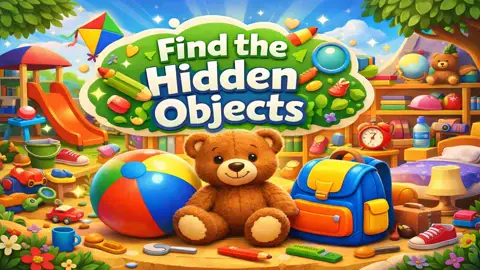
Spot Every Hidden Object! – A Search & Find Challenge for Preschoolers
Everyday objects are hiding in plain sight — a key, a pencil, a spoon and more! This seek-and-find game builds visual scanning for children aged 2–7.
About This Video
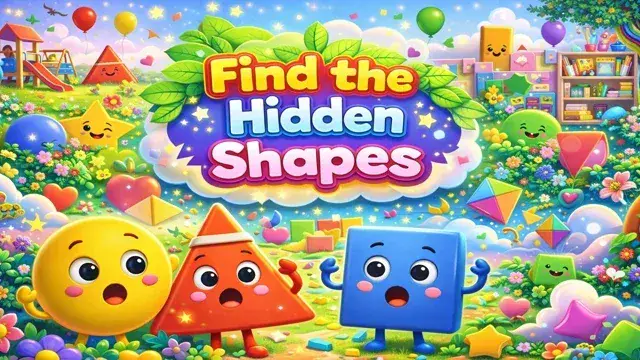
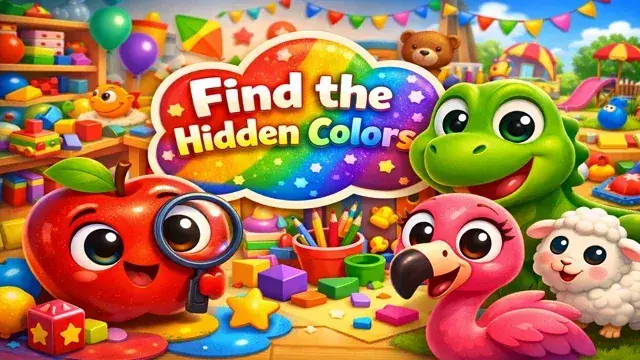
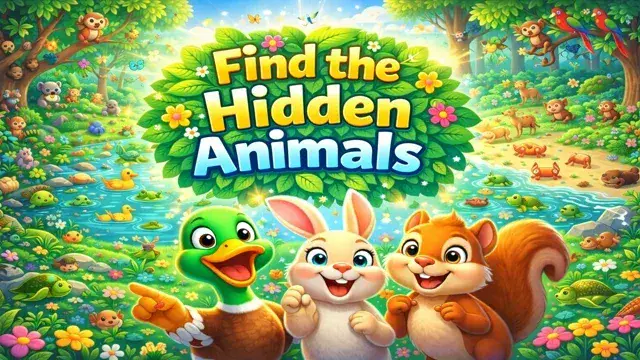
A colourful illustrated scene is hiding dozens of everyday objects — a key, a pencil, a spoon, a button, a thimble and more — all perfectly camouflaged in plain sight. Can your child spot every one before the hints run out? This search-and-find game builds the focused visual scanning and category recognition skills that underpin early reading readiness, while delivering the pure satisfaction of discovery with every found object.
Perfect for children aged 2 to 7 who love seek-and-find books or visual puzzles. Each successful find builds the concentrated attention and left-to-right visual scanning that prepares children for reading. After watching, revisit with a pause on each scene and challenge your child to describe the location of each object using positional language — 'next to', 'above', 'behind'. Widely used in nursery and Reception classrooms for attention and observation skill building. Free to watch with no account.
All videos on Little Story World are completely free — no account required, no subscription needed. Browse 120+ free animated stories, songs and science adventures for children aged 2 to 7.
Parents' Questions
What objects do children search for in this hidden object game?
The hidden object game features everyday objects presented across beautifully illustrated scenes: a pencil, a key, a button, a thimble, a ribbon, a teacup, a coin, a pair of scissors, a magnifying glass and more — each perfectly blended into the scene's colours, patterns and textures. The challenge increases with each round as the objects become slightly better camouflaged. Children naturally develop the systematic left-to-right, top-to-bottom scanning strategy that also underpins reading — making this one of the most genuinely educational games in the collection.
How does this hidden objects game support early learning skills?
Search-and-find games develop several key early learning skills simultaneously. Visual discrimination — identifying a specific object among many similar visual elements — is fundamental to letter recognition, for example distinguishing a 'b' from a 'd'. Focused sustained attention — staying with a task until the hidden object is found — directly prepares children for reading concentration. Vocabulary building happens naturally as children name each object they discover. For children aged 2 to 7, a well-designed seek-and-find game is one of the most effective and enjoyable pre-reading activities available.
What age is the Find Hidden Objects search game designed for?
Designed for children aged 2 to 7. Two to three year olds spot the most prominently placed objects with delight and growing vocabulary. Children aged 4 to 7 tackle the more camouflaged objects systematically and develop their own searching strategies — starting at one corner and working methodically across, for example. The game works brilliantly as a screen-to-book bridge activity: after watching, provide a printed seek-and-find book and children apply the same focused searching skills they practised in the video to the physical page.